Afrimintel · Verified dossier
Have a live decision on one African mining asset? Get it verified.
A single named asset, checked line by line against the documents its owner actually filed. Every figure says where it came from and when — and where no public figure exists, it says so and names the document that would close the gap.
That second half is usually the part people pay for. Anyone can restate what an operator published. The useful question before a committee is what nobody has published yet, and which of those gaps you can still close before you commit. A dossier answers both, and hands you a request list for the rest.
Per asset, fixed fee. Exclusive of Mauritius VAT. Timeline agreed in writing before work starts.
For scale: Kabanga’s initial capital is US$942m on its operator’s own S-K 1300 technical report. A dossier is $1,850 — about two millionths of that number, or put another way, $1 of checking for every $509,000 committed. That is the comparison we would want made: not against a subscription, but against the cost of being wrong about the number.
Ask about an asset → See a finished one free →Not one asset but many? A Pro subscription is $149/month and covers every worked dossier on the platform — compare that against a single commission before you decide which you actually need.
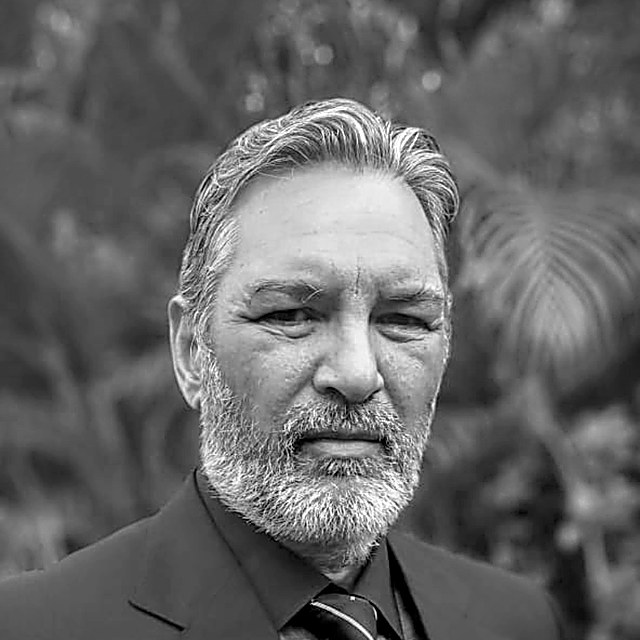
Nikesh Patel, geochemist — Editor-in-Chief, Afrimintel Ltd. Sole editorial authority: every figure in your dossier is checked and signed off by one named person, and that name is on the document. There is no research pool and no unnamed analyst.
You can audit that judgement before you buy. Every correction ever made is on the public audit log, and forward claims — including Afrimintel’s own — are scored on the register. Independence policy. Buying a dossier never changes a score on the register (the rule). Where a company in a row is also an Afrimintel customer, the row says so.
Send the asset name first. If the public record is too thin to produce a dossier worth having, we tell you that before any invoice is raised — and we do not take the commission. Sometimes the honest answer is that you would be paying us to confirm a gap.
Scope, deliverable and timeline are agreed in writing before work starts, in an engagement letter. Refund terms follow that letter — see the refund policy.
What you get
- Reserves, capital cost, economics, ownership, permits and current status — each with the document it came from, named and dated.
- Where two figures compete, both shown side by side with their vintages. Nothing silently reconciled.
- What is missing, listed. So you know what diligence is still to run before someone else finds the gap.
- Signed by the Editor-in-Chief, who is accountable for every line.
What it is not
It verifies what is on the public record. It does not rate, predict, or recommend, and takes no view on whether you should proceed.
That refusal is the feature, not a limitation. A document carrying someone else’s recommendation has to be defended in the room; a document carrying traced figures and named gaps does not. It is why this can go into a committee paper, a credit memo or a submission with your name on it — the judgement is yours and stays visibly yours. The checking is ours.
Already know the asset?
Commissioned work feeds the public record: corrections found while verifying are published on the audit log and, where they touch a forward claim, scored on the register. You are not buying a private opinion — you are buying a verified document whose method is public.
Not offered for assets in the DRC, Rwanda or the wider Great Lakes region: the Editor-in-Chief is Honorary Consul of Rwanda in Mauritius, and the platform carries data on those jurisdictions but no editorial work under his name. Independence policy ›
Free page or dossier?
| Free asset page | Verified dossier | |
|---|---|---|
| Which asset | Assets already on the platform | The one you name |
| As at | The date shown on the page | Re-checked against the latest filings when you commission it |
| Gaps | Marked Absent | Listed, with the document that would close each one: a request list for your deal |
| Signed | No | Yes, by the Editor-in-Chief, dated |
Ask about an asset
One line is enough — which asset, and what decision it feeds. Replies come directly from the Editor-in-Chief.
Not ready to commission?
Get the Verified Drop — one verified item every two weeks: a figure, a correction, or a claim resolving. If nothing met the sourcing standard in a fortnight, we say so.